Luis Castillo

Luis Castillo
Luis Castillo
Jefe del Departamento de Políticas Sociales y Regionales

Estudios realizados

Bachiller en Economía


2016.

Maestría en Economía Internacional y de Desarrollo


2019.

Areas of interest

  • State and Local Government
  • Welfare, Well-Being, and Poverty
  • Economic Development

Keywords

  • inequality
  • inequality decomposition
  • output gap
  • poverty

Perfiles académicos:

Luis Eduardo Castillo holds a Master’s degree in International and Development Economics from Yale University. His research focuses on measuring well-being, analyzing poverty and inequality, public management for development, and political economy.

Main Publications

Peru: Poverty under two lenses.

How has poverty evolved in Peru in recent years? We employ a multidimensional poverty index, the IPM-P, to analyze and compare the path of poverty in Peru between 2007 and 2020 under different approaches. We intend to show the benefits of using a multidimensional index as a complement to Peru’s official monetary poverty index, mainly to enhance the identification of vulnerable households and the design of public policies. The index’s making follows Alkire & Foster (2011), and includes six dimensions: health, education, basic services, physical environment, social participation, and economic participation. We find that the incidence of multidimensional poverty may have been greater that the incidence of monetary poverty throughout the years. However, the rise in multidimensional poverty between 2019 and 2020 (2,0 pp.) was sharply smaller than the one experienced in terms of monetary poverty (9,9 pp.). On the other hand, around half of the monetary-poor households were not deprived enough to be considered multidimensionally poor in 2020. Furthermore, the poverty profile changes significantly across geographic areas. Specifically, Lima Metropolitana (i.e., the capital city) gathered around a third of the monetary-poor households in 2020, but just 10,7% of the multidimensionally poor ones. The share of the jungle and rural areas in the aggregate poverty levels also increases when switching from the monetary to the multidimensional approach. Finally, we find a stronger correlation between Peruvian households’ self-assessment of their poverty stance and the IPM-P than with the monetary index.

Ver más
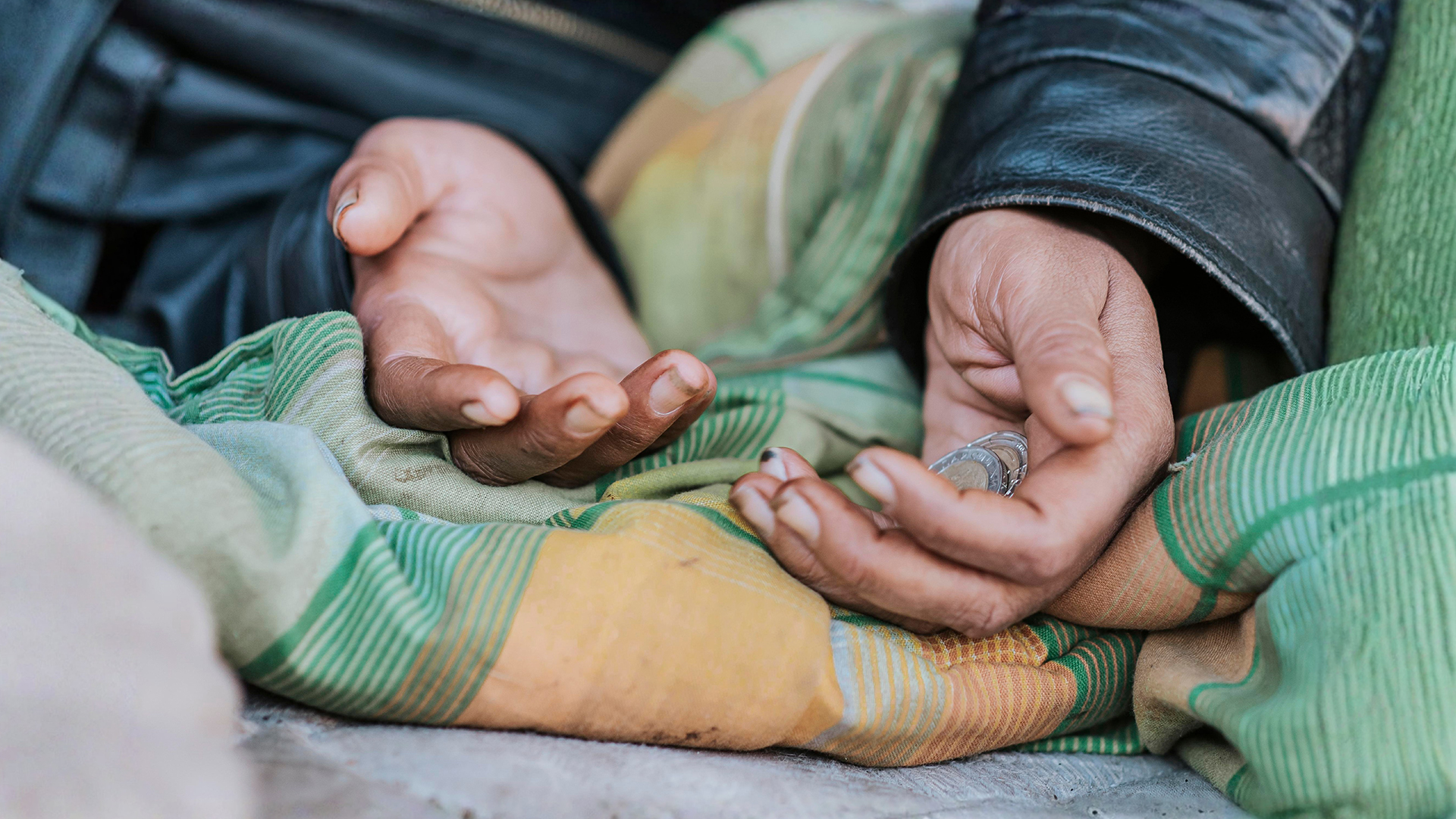
What makes the poor stay poor? Poverty dynamics in Peru.

This paper investigates the dynamics of monetary poverty in Peru between 2015 and 2022, with a particular focus on the impact of the COVID-19 pandemic. Using panel data from the National Household Survey (ENAHO), we examine three key questions: the extent of poverty persistence, household characteristics associated with an increase in the probability of being poor, and changes in poverty dynamics following the pandemic. Our analysis employs transition matrices and probit regression techniques, offering a comprehensive exploration of these dynamics. Our main findings highlight the enduring nature of poverty in Peru, with over half of impoverished households remaining in poverty the subsequent year. The pandemic-induced economic shocks led to a transient surge in poverty persistence to 60% between 2019 and 2020. Additionally, five-year intervals show increased poverty persistence in the 2018-2022 period, suggesting heightened economic vulnerability after the pandemic. We find that demographic, social, and economic factors correlate with poverty persistence. Households led by females or older individuals exhibit lower persistence, while the presence of children, lack of access to health insurance, and informality are linked to higher poverty persistence. Probit regression analysis confirm the protective effect of education, and how the influence of natural hazard events, the demographic dependence in the household, and precarious jobs increases the probability of being poor.

Ver más

Publications