Renzo Castellares

Renzo Castellares
Renzo Castellares
Subgerente de Diseño de Política Económica

Estudios realizados

Bachiller en Ciencias Sociales con especialidad en Economía

Pontificia Universidad Católica del Perú (Perú)
2005.

Maestría en Economía

Universidad de San Andrés (Argentina)
2008.

Doctorado en Economía

University of Virginia (Estados Unidos)
2015.

Areas of interest

  • Econometric and Statistical Methods
  • International Trade
  • Welfare, Well-Being, and Poverty
  • Economic Policy
  • Employment

Keywords

  • competition
  • employment
  • poverty
  • labor productivity
  • trade

Perfiles académicos:

Renzo Castellares holds a PhD in Economics from the University of Virginia. His research covers international trade, employment, poverty, and income distribution.

Main Publications

Contractual imperfections and the impact of crises on trade: Evidence from industry-Level data

We build a simple trade model in which: (i) exporters are paid after delivery of the goods, and (ii) complementarity exists between procyclical contract enforcement at the importing-country level and contractual vulnerability at the industry level. In the model, an adverse aggregate shock in the importing country generates a disproportionate decline in imports in more contractually vulnerable industries. Using disaggregated bilateral trade data for more than 100 countries, we find robust support for the model’s predictions. Our empirical approach exploits the variation in the occurrence of recessions and financial crises across countries from 1989 to 2006, and the variation in contractual dependence across manufacturing industries. The estimated amplification effects of contractual dependence on sectoral imports are statistically significant and economically important. Our analysis uses different industry measures of contractual vulnerability, including measures of product complexity and a novel indicator of uncollectible credit sales.

Ver más


Impact of Venezuelan Migration on Employment and Wages: The Peruvian Case.

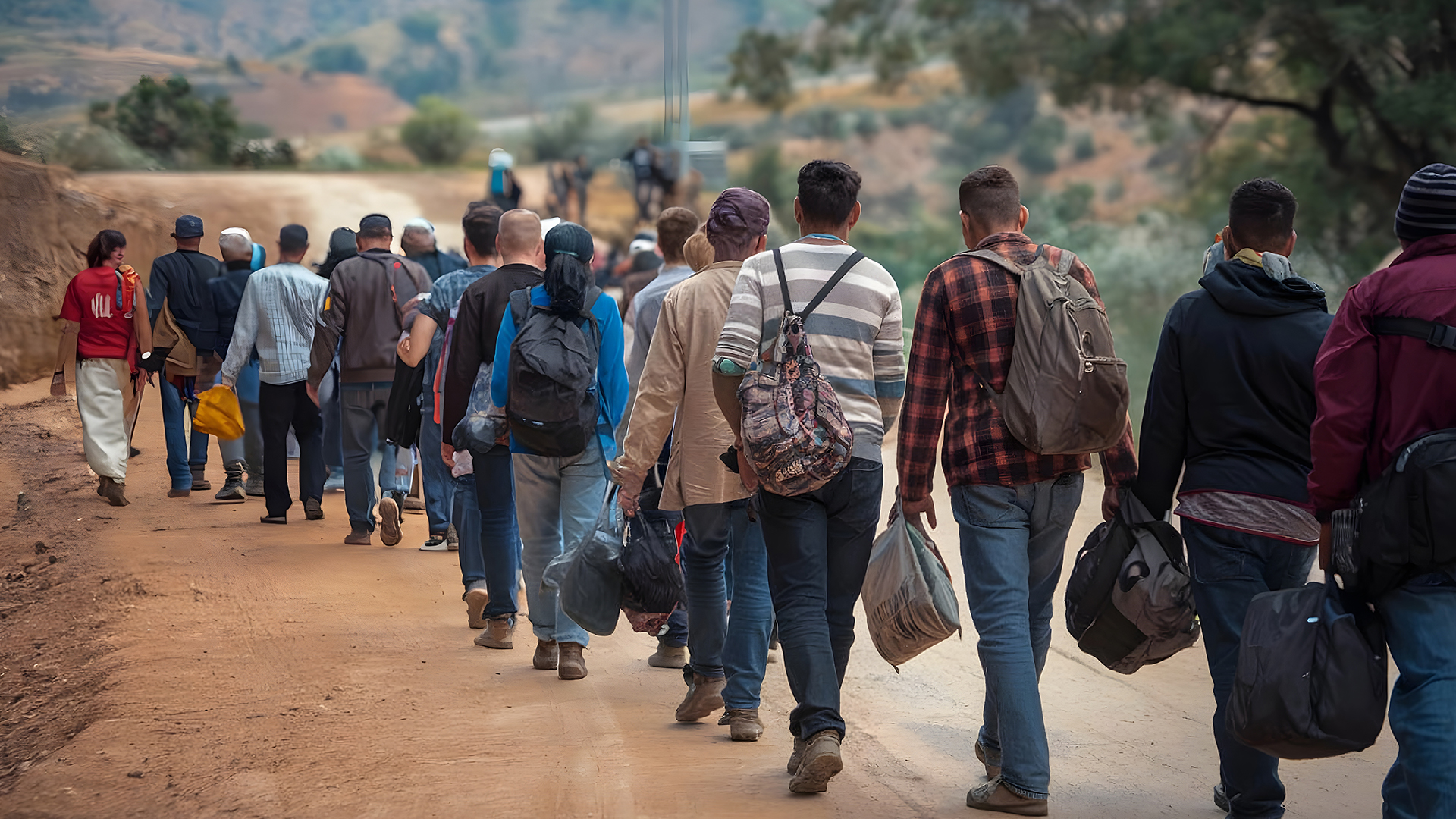
This paper assesses the short-term impact of the recent Venezuelan migration wave over employment and wages of Peruvian workers in Lima and Callao. The study uses the Permanent Employment Survey and finds that a raise in the immigration level of about one percent of the economic active population reduces the probability of keeping the job and income from main occupation for a subset of workers. In particular, and in relative terms, the more sensitive group is that of women between 14 and 24 years old and with low educational level. However, the share of this group in total workforce in Lima and Callao is just 2.9 percent. On the other hand, the expenditure made by migrants in Lima might have contributed in 0.33 percentage points to the GDP growth rate in 2018. Last, given the increase in the workforce and given that the average educational level of immigrants is superior to that of nationals, it is likely that productivity and potential GDP may rise in the short to medium run.

Ver más
Publications